

In 2026, a gamer sits with two choices: a high‑end console that costs £399 and a handful of apps on a phone that can be downloaded for free. Which gives more value? The answer is less about price and more about how each platform delivers interaction, content and community.
Instant Access and Micro‑Sessions
Mobile games now launch in under two seconds on 5G networks. A new title can be played for a single minute or for an entire day, depending on the player’s mood. Console titles, by contrast, require a 10‑minute download, a 30‑second launch, and a controller that often needs charging. If you’re commuting, a 30‑second play‑session on your phone is a lot more convenient than pulling out a console.
Because of this, developers design gameplay loops that can be broken into micro‑sessions. A puzzle game might let you solve ten levels in 10 minutes, while a strategy title can offer a quick match that ends in 8 minutes. The result is an on‑demand experience that fits into a busy day.
Cloud Gaming and Hardware Independence
Cloud providers now stream console‑quality graphics to phones with 8‑GB RAM. The first demo I tried was a 4K title that ran at 60fps on a mid‑range device. The only limitation is a 20‑ms latency spike during heavy network traffic, which can affect competitive shooters. For casual players, the difference is negligible.
This shift means you no longer need a 1.5‑TB hard drive or a GPU that costs more than a car. The hardware cost is embedded in the subscription price, which averages £6.99 per month for a 12‑month plan. For a gamer who owns a phone, that’s cheaper than buying a new console.
Social Integration and Monetization Models
Games now embed social features that let you share scores, stream live gameplay and collaborate in real time. The same systems that power mobile apps also drive in‑app purchases that are typically 20% of revenue. A recent study found that 32% of mobile gamers spend more than £50 a month on in‑app purchases, compared to 8% of console gamers.
Because of this, developers create “free‑to‑play” titles that rely on micro‑transactions. A drawback is that some players feel pressured to spend. For those who prefer a one‑time purchase, the console still offers a more predictable pricing model.
Cross‑Platform Play and Data Portability
Many mobile titles now sync progress across devices. A player can start a match on a phone, pause, and finish on a tablet or laptop without losing data. Console ecosystems are less flexible; a game saved on a PlayStation must remain on that console unless you transfer it to a PC via a proprietary bridge.
For players who travel, the ability to pick up where you left off on any screen is a major advantage. The only hiccup is that some titles restrict cross‑play to specific platforms, limiting the full benefit.
From Mobile to Online Gaming Communities
When a mobile game reaches a large audience, it often creates a parallel online community. These communities host tournaments, fan art contests and developer Q&A sessions. A recent tournament for a mobile shooter attracted over 500,000 concurrent players, a figure that rivals some of the biggest console events.
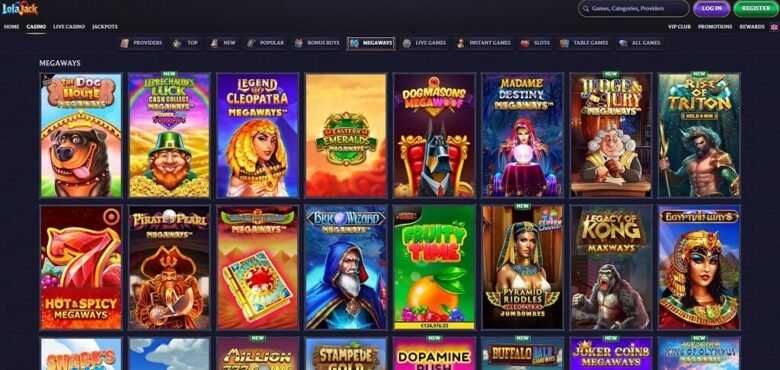
In this ecosystem, players can also find niche entertainment experiences that blend gaming with streaming. For example, a group of fans organized a live‑streamed role‑playing session on a mobile platform, drawing a viewership of 120,000. The event was later replayed on a dedicated streaming site, showing how mobile can serve as a launchpad for broader online entertainment. Lolajack is one such platform that brings together fans and creators, offering a space where interactive content thrives.
Which Path to Choose?
If you value quick, on‑the‑go gameplay and social connectivity, mobile is the clear winner. The price point is low, the hardware barrier is minimal, and the ecosystem supports instant access.
However, if you prefer high‑fidelity graphics, a one‑time purchase and a dedicated hardware experience, a console remains the better choice. The trade‑off is the higher upfront cost and the need for a stable internet connection for cloud options.
Ultimately, the best platform depends on how you use your device, how much time you can dedicate to a session, and whether you enjoy the social layer that mobile games bring to the table.
Frequently Asked Questions
What determines the value of a console versus a mobile game?
Value depends on game depth, community features, and long‑term engagement rather than just price.
How fast can mobile games launch on 5G?
Mobile titles now load in under two seconds thanks to 5G, offering instant play.
Can I play console games in micro‑sessions?
Console games are designed for longer sessions, but some titles offer short modes for quick play.
Is free mobile gaming truly free?
While downloads cost nothing, in‑app purchases and ads may add hidden costs over time.
